



關於我們
THE MOULD PROBLEM
Ensure Guard applies a physical and not a chemical technology, attacking on molecular level the bacteria cell and the protein coating of virus to eradicate all the bacteria and viruses while ensuing a lasting effectiveness for 30+ days.
Ensure Guard’s positively charged polymer binds to negatively charged pathogens and disrupt their cell membrane walls lethally. Ensure Guard molecules then enter the cell and completely destroy the nucleoid of bacteria.
For viruses, Ensure Guard proprietary technology can effectively inactivate the fatty protein layer-coating the RNA of the virus, thereby rendering it non-invasive and hence non-harmful to human and animals.
Ensure Guard can provide unique long lasting protection with its nano technology. This nano coating can withstand repeated washing and scrubbing and remains effective for at least 30+days. The coating is not affected by detergents, alcohol or chlorine.
Source of Mould
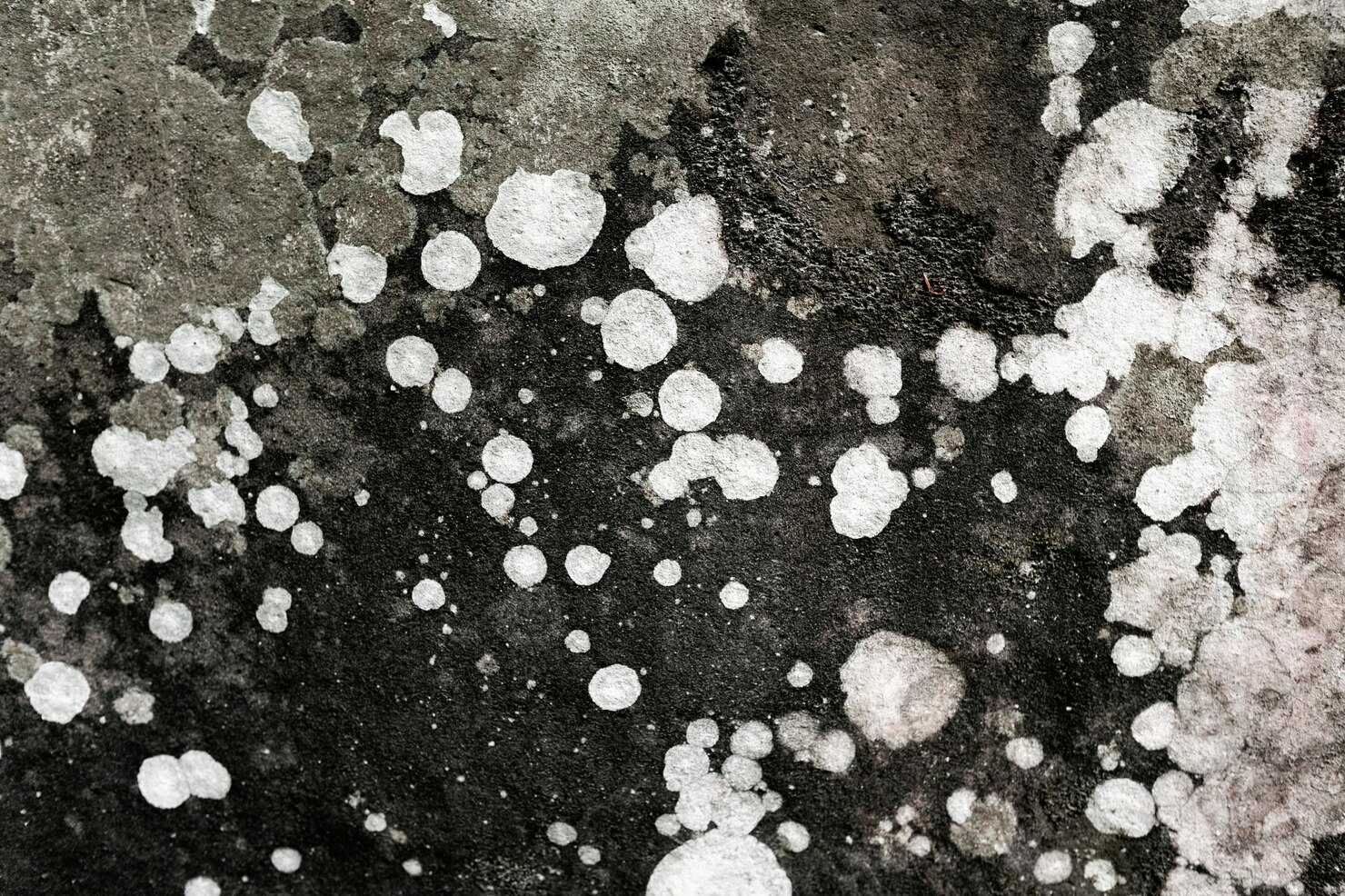
The black mould that could be lethal to human being. Most types of mould have different degrees of health threats. Mould frequently also serves as a cultivation bed providing an ideal environment and nutrition to other bacteria and viruses.
Health Concerns
Mould presents a general health risk.
Mould can be a serious concern for people with respiratory issues
Studies have shown that more humid regions in the US with mould problems lead to a higher % of children developing Asthma.
Stachybotrys chartarum (often called “black mould”), which can produce mycotoxins and has been associated with severe respiratory illness in heavily contaminated environments.
Aspergillus fumigatus, a common indoor mould, can trigger asthma symptoms in sensitised people and may cause life‑threatening lung infections (aspergillosis) in immunocompromised patients.
Some Penicillium species commonly found on damp walls, furniture, and stored items are highly allergenic and can worsen asthma and rhinitis, and a few strains produce mycotoxins such as ochratoxin A, which is associated with kidney damage and potential carcinogenic effects after long‑term high‑level exposure. Public health reviews by agencies such as WHO and CDC now treat persistent indoor dampness and mould as a key indoor air‑quality risk that building owners have a responsibility to control.*
https://www.cdc.gov/mold-health/about/index.html
Source of Mould
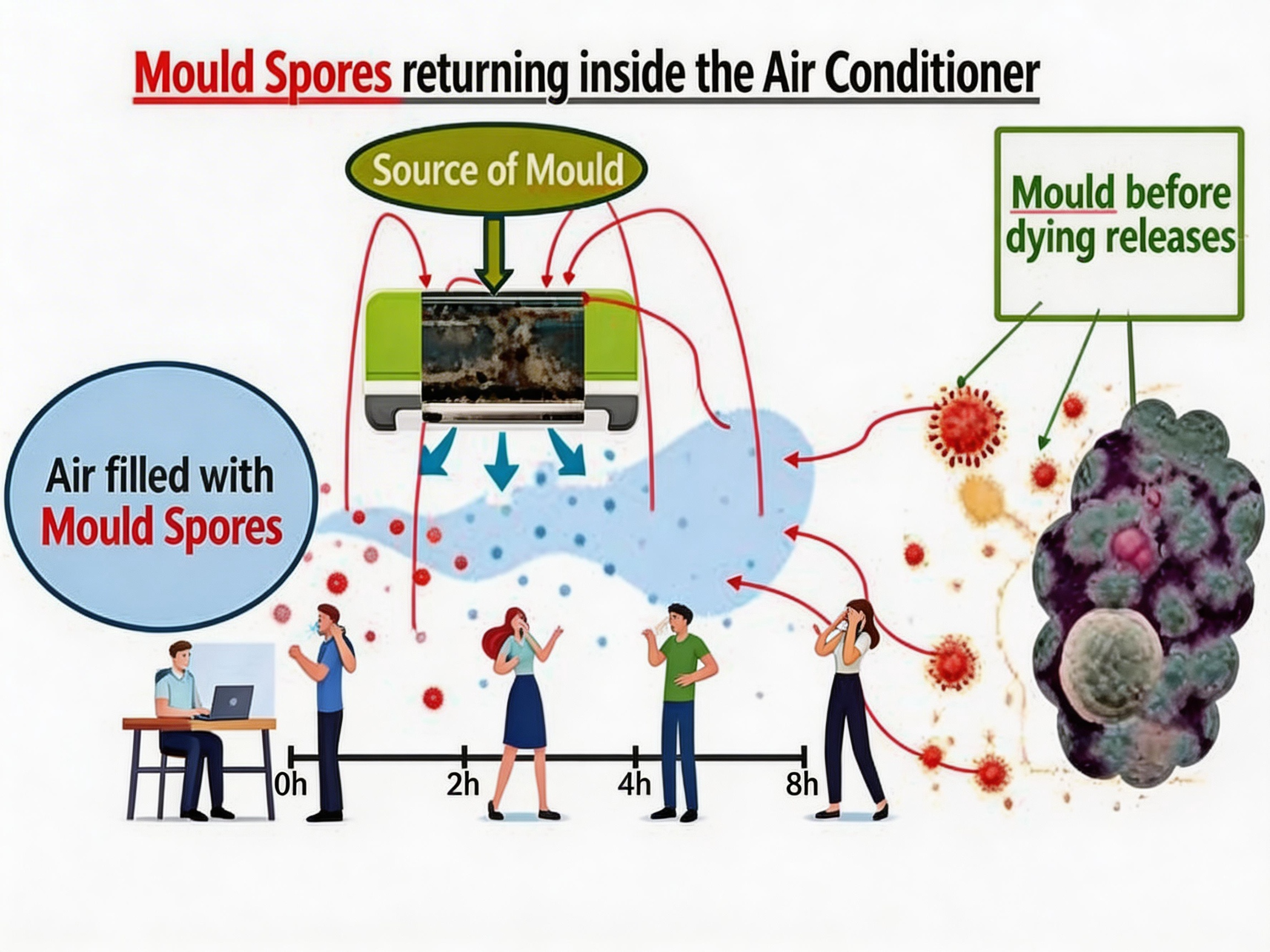
The coil, duct and fan section of most air conditioner is the ideal location for development of mould. The dark condition with humidity from condensation and plenty of dusts which mould feeds on is the perfect environment.
Therefore, air conditioners are frequently the source of moulds, and hence other bacteria and viruses, and help spread these pathogens in the air flow.
Through ventilation, the return air to the air-conditioning system will bring back mould and spores from the indoor air as well as from fresh air entering the indoor area.
While a deep professional cleaning of the air-conditioner will remove all interior mold , mould will resume very quickly in a few weeks from fresh spores bought in from the re-circulatiing air.
While there are surface coating for the air-conditioner interior, these coatings are found to be able to extend the mould free period for only short period. Because once dust starts to build up inside the air-conditioner covering the coating, mould will quickly build up on top of the dust.
Most infested air conditioners are health threats, particularly to infants, old people or people will respiratory issues, such as asthma or nose allergy.
Mould Problem
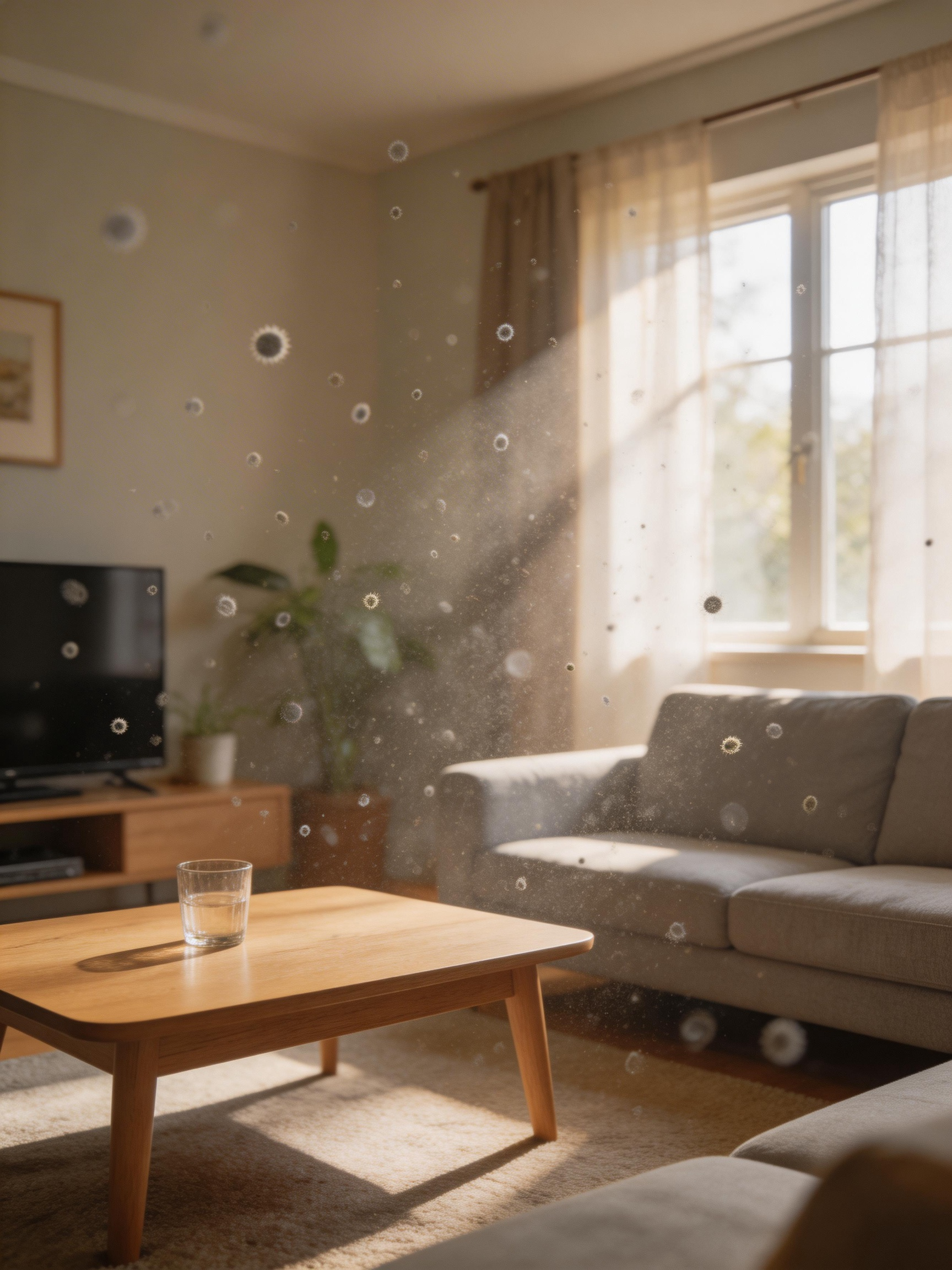
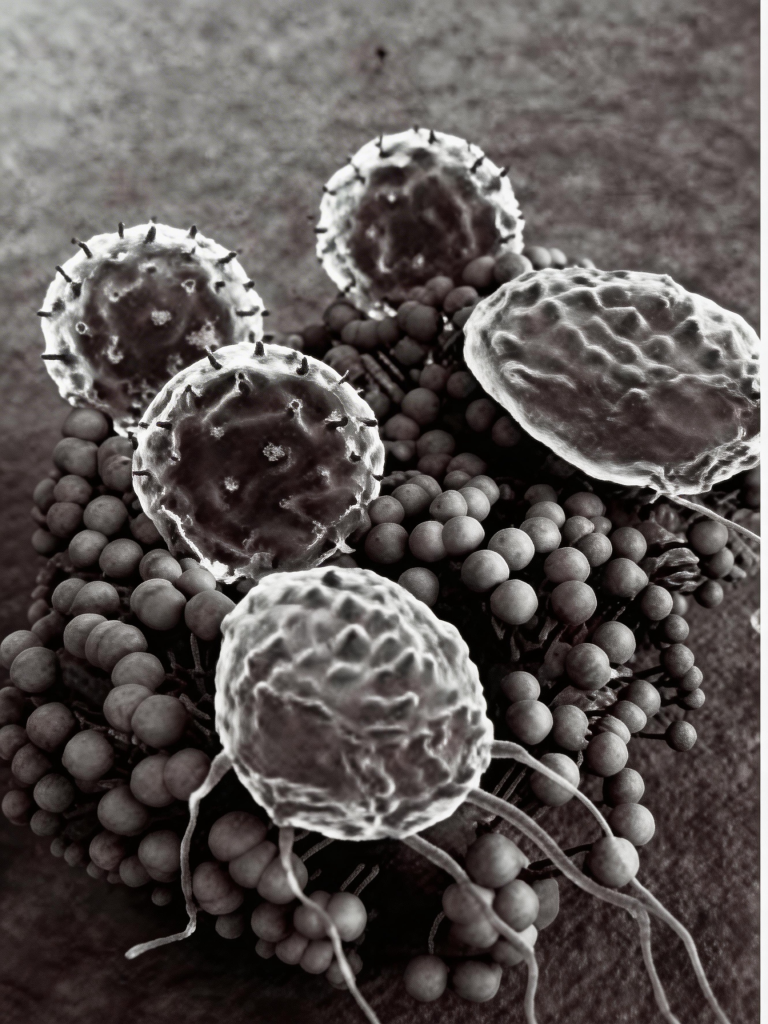
Most mould can be easily removed efficiently by cleaning agents, such as diluted chlorine. However, as a survival technique, mould will release a lot of spores particularly under threat before it dies. These, in nano size, will float in the air, undetectable by human eyes. Most mould spores are very robust, and able to survive from 2 months, up to a year with no requirement of any water or any nutrient. Once the spore is drifted to a suitable environment mostly dark and humid locations, the spores will quickly develop into mould which will rapidly re-produce and grow. In most air-conditioned areas, the spores will easily enter inside the air conditioner from the re-circulating air. This is why even after a deep cleaning of air-conditioner, the mould will still quickly return within weeks.